Scranton sits in the Lackawanna River valley, with more than thirty city parks and neighborhoods dating back to the 1800s. Freeman The Treeman provides tree removal, trimming, stump grinding, and storm cleanup across the city — from downtown to the Hill Section and South Side.
Serving Scranton neighborhoods including downtown (18503), the Hill Section (18510), South Side (18505), and the McDade Park area (18504) — plus the surrounding Lackawanna County communities.
Every tree service we offer is available throughout Scranton — removal, trimming, stump grinding, and emergency storm response.
Complete removal of dead, dying, or unwanted trees of any size, taken down in controlled sections and hauled away.
Selective cutting that clears limbs away from roofs, wires, and walkways while keeping the tree healthy and balanced.
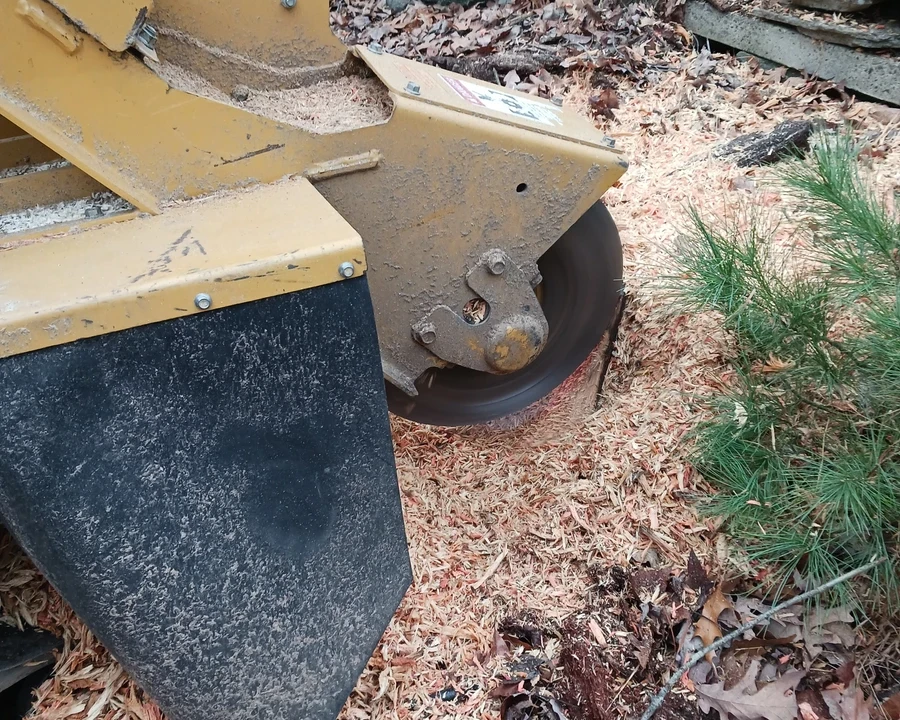
Grinding stumps below grade so you can seed, replant, or reclaim the space — no stump left behind after a removal.
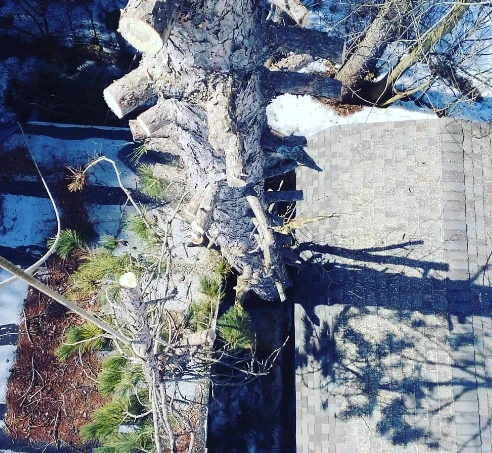
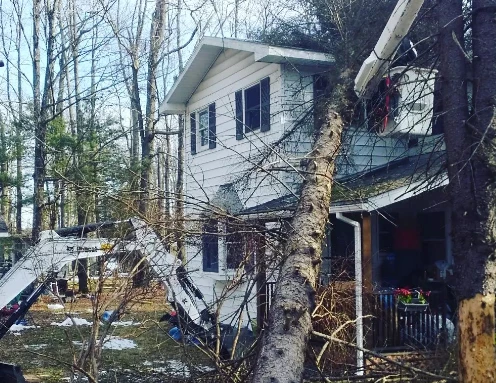
Priority response for trees on structures, blocked driveways, and hanging limbs after severe weather, with full debris cleanup.
Honest assessments of diseased, damaged, or leaning trees so you know whether trimming, cabling, or removal is the right call.
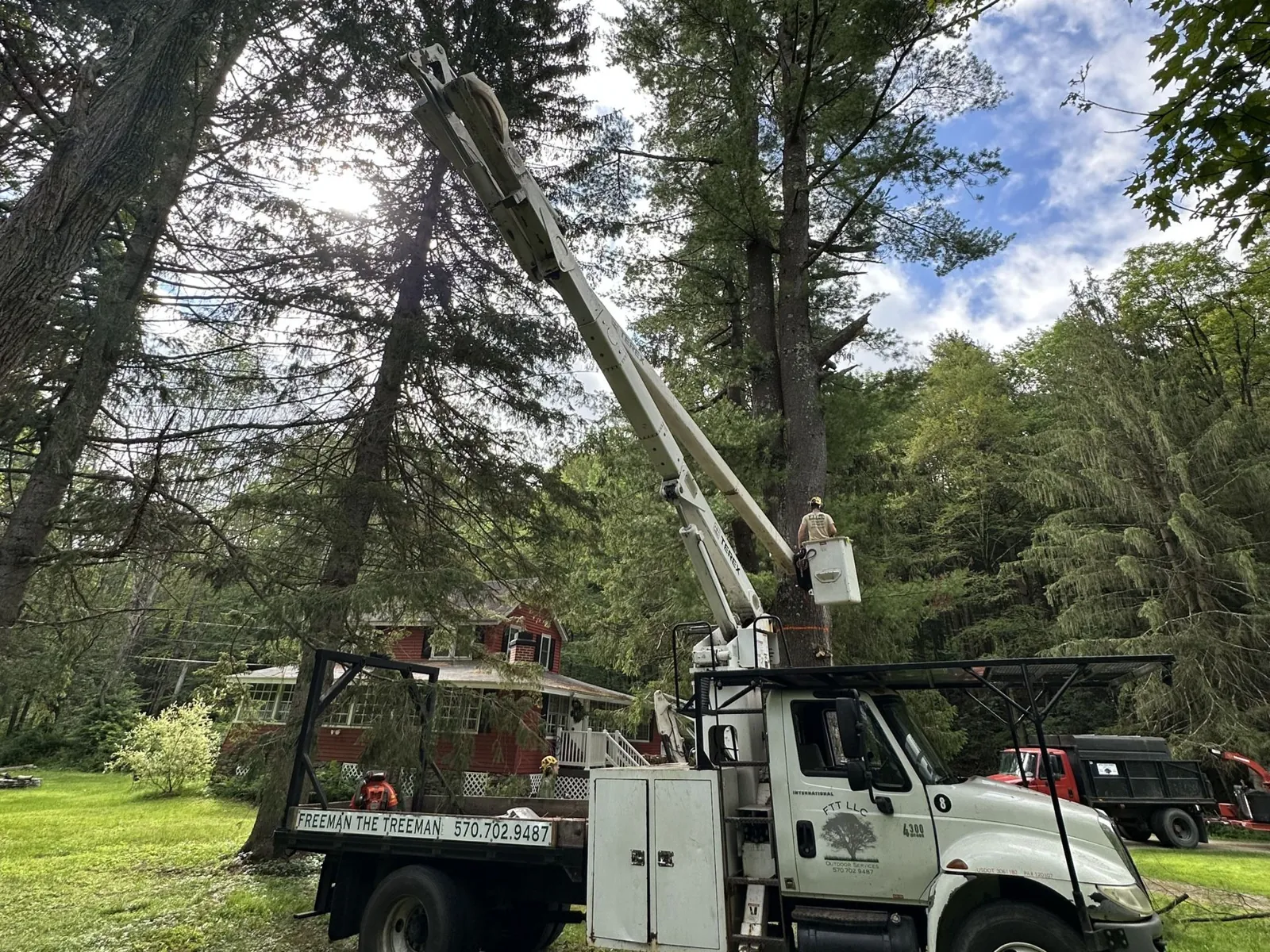
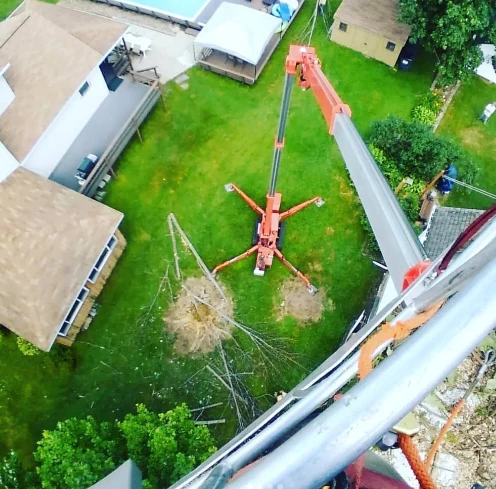
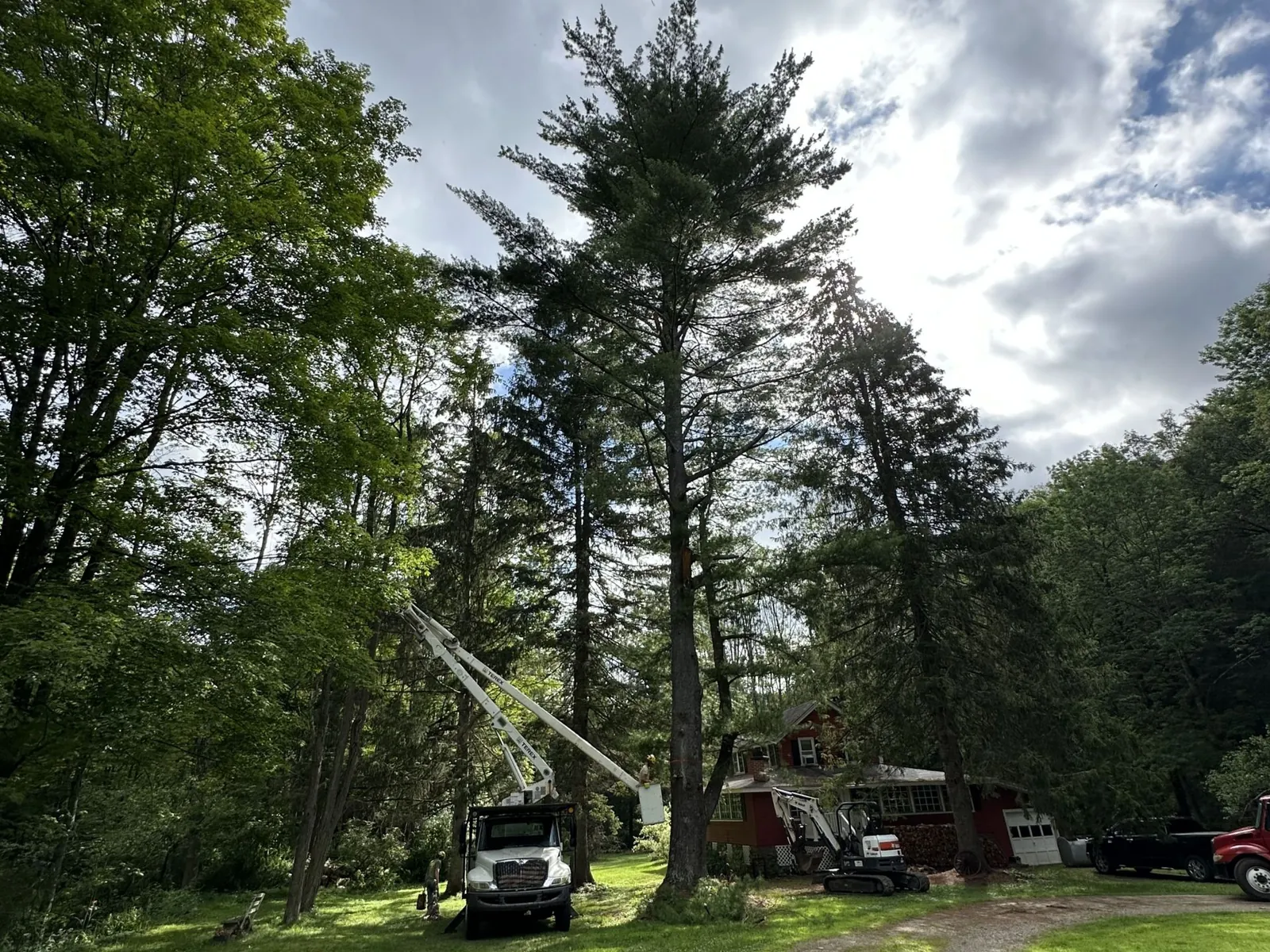
Our bucket truck reaches tall trees and tight spots safely, making high limb work cleaner and faster than climbing alone.
Learn more about our full Tree Service across Northeast Pennsylvania.
Scranton grew up along the Lackawanna River: permanent settlement dates to 1788, and the city was incorporated in 1866 around the ironworks founded by George W. and Selden Scranton. The city's largest park, Nay Aug, holds a rock-strewn gorge and waterfalls designated a National Natural Landmark, the Department of Parks and Recreation manages more than thirty parks, and the Lackawanna River Heritage Trail follows the river through the valley. The area's storm history includes the devastating August 1955 flooding caused by Hurricane Diane.
For tree work, that setting shapes how we operate. Valley and hillside lots call for equipment suited to sloped ground and tight access, trees near homes, garages, and utility lines call for controlled rigging rather than open felling, and properties bordering parks, the river, or the trail corridor call for careful debris containment and complete cleanup.
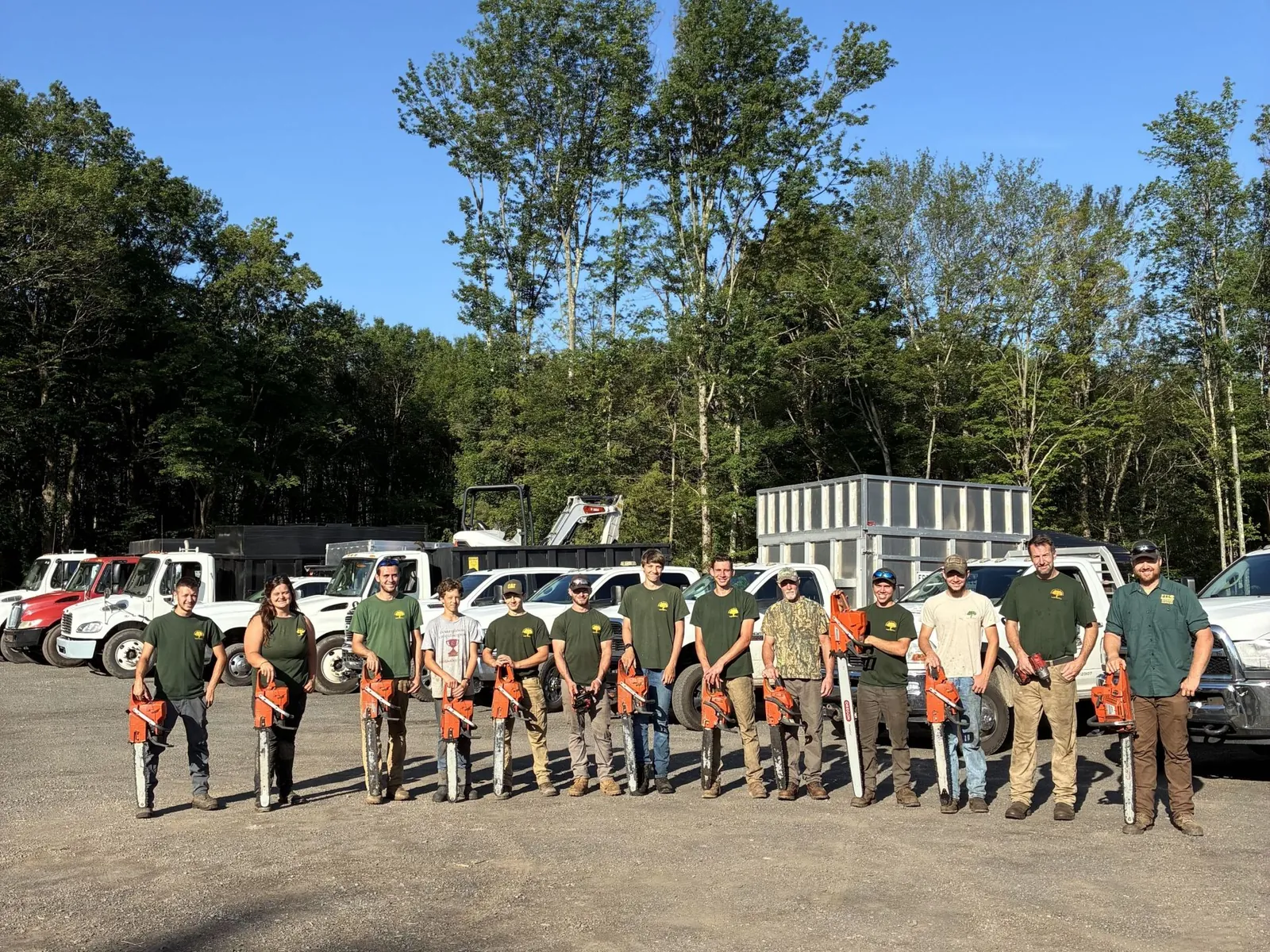
Whether the job is a single hazardous limb or a full removal, our crew sizes each Scranton job on site and explains exactly what the work involves before we start.
Tree work carries real risk, so we carry real coverage — and we're happy to answer insurance questions before a single cut is made on your property.
Bucket truck, chipper, stump grinder, and rigging gear mean we can handle everything from a single limb over a Scranton porch to a full removal on sloped ground.
You get one clear price for the scope we agree on, and when the work is done we haul the debris away and leave your yard ready to use.
Call or send a message and tell us what's going on with your trees. We come out to your Scranton property, look at the job in person, and listen to what you want done.
You get a straightforward quote for the exact scope we discussed — no vague ranges and no surprise add-ons once the crew shows up.
Our crew handles the cutting, rigging, and cleanup with the right equipment for the site, and we haul away the debris so your yard is usable when we leave.
Frequently Asked Questions
Don't see your question? Just ask us.
It depends on the tree's location and situation, and city rules can change — we recommend confirming current requirements with the City of Scranton before removal. When you schedule an estimate, we'll talk through what applies to your specific tree and property so there are no surprises.
Sloped yards are common in a river-valley city like Scranton, and we're set up for them. During the estimate we evaluate access and footing, then bring equipment suited to uneven ground so the work stays controlled from start to finish.
Waterside and trail-adjacent properties are jobs we handle regularly. They need extra care with debris containment and equipment placement, and we plan for that before any cutting starts — every branch and log is removed from the site when the job is done.
This is some of the most common work we do. In established sections of the city, large trees often stand close to houses, garages, and wires, so we section trees down in controlled pieces using rigging rather than felling them whole.
Hazardous situations come first — a tree on a roof, a blocked driveway, or a large limb hanging over where people walk. Contact us as soon as it's safe to do so, describe the damage, and we'll get you on the schedule based on urgency.
Late fall through early spring is generally the preferred window for most trimming in our region, since trees are dormant and their structure is easier to see. That said, hazardous limbs should be dealt with whenever they appear — we'll advise on timing during your estimate.
Stump grinding is available on every removal — some customers want the stump ground below grade so they can replant or seed the spot, while others leave it. We'll quote the job both ways so you can decide what fits your plans and budget.
Fully insured, and we're glad to answer questions about coverage before work begins. For trees in contact with utility lines, we coordinate the approach so the work is done safely and in the right order.
Scranton's story starts along the Lackawanna River, where permanent settlement dates to 1788. The community was known as Deep Hollow, then Unionville and Slocum Hollow, before taking the name Scranton in 1851 in honor of George W. and Selden Scranton, whose 1840 ironworks grew into the Lackawanna Iron and Coal Company. The city was incorporated in 1866, and the stone blast furnaces of that original operation still stand in South Scranton as the Scranton Iron Furnaces, a Pennsylvania Historical and Museum Commission site.
That industrial heritage is visible all over the city today. Steamtown National Historic Site, a National Park Service unit, occupies the former Delaware, Lackawanna & Western rail yard downtown, and the Pennsylvania Anthracite Heritage Museum in McDade Park tells the story of the region's hard-coal mining and the immigrant communities it built. The Lackawanna Coal Mine Tour descends 300 feet into a mine originally opened in 1860.
Scranton is also a city of green space. The Department of Parks and Recreation manages more than thirty parks, the largest being Nay Aug Park, whose rock-strewn gorge and waterfalls are a designated National Natural Landmark. The roughly 70-mile Lackawanna River Heritage Trail traces the river through the valley, connecting more than 30 communities across four counties for hikers, cyclists, paddlers, and anglers.
From downtown to the Hill Section, South Side, and everywhere in between — request a free, no-pressure estimate from a local crew that knows how to work Scranton's lots and terrain.